A scientist in a world that did not want her
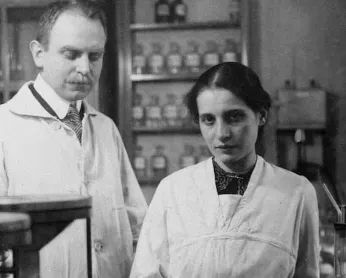
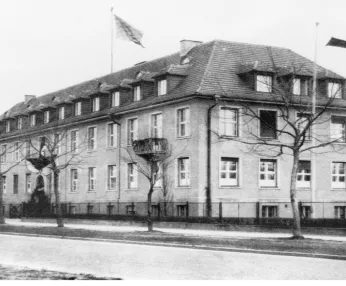
Born in Vienna, Lise Meitner earned in one of the first physics doctorates awarded to a woman in Austria. The following year, she joined chemist Otto Hahn in Berlin, beginning a collaboration of more than thirty years at the Kaiser Wilhelm Institute.
But in , the rise of Nazism forced her to flee Germany. Exiled in Sweden, she continued her research in precarious conditions.
Fission: a discovery without recognition
A few months after her departure, Hahn observed an unexpected phenomenon: the uranium nucleus seemed to split. From Sweden, Meitner provided the explanation: the nucleus divides in two, releasing a considerable amount of energy. With her nephew Otto Frisch, she published this interpretation in and introduced the term nuclear fission.
This discovery shook physics. Yet in , the Nobel Prize in Chemistry was awarded to Otto Hahn alone. Lise Meitner, essential to understanding the phenomenon, was left out.
Scientists bear a responsibility for what they discover.
A rare moral stance
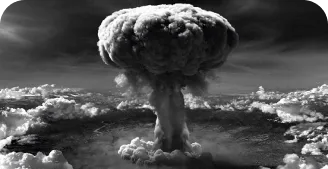
Lise Meitner refused to join the Manhattan Project, aware of the possible excesses of scientific progress. She defended an ethical and humanist vision of science: research is never neutral; it carries responsibility.
Further reading
Belated recognition
Only near the end of her life did the scientific community begin to do her justice. In , she received the Enrico Fermi Award alongside Hahn and Strassmann. In , element 109 was named meitnerium (Mt) in her honor.
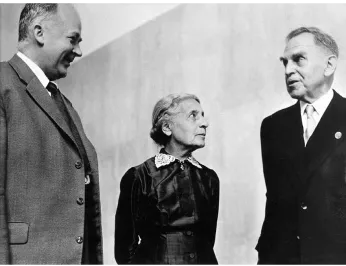
A memory to preserve
Lise Meitner's journey questions the place of women in science and the moral responsibility of progress. It reminds us that every discovery is not only a scientific fact but also a human story, sometimes marked by injustice.